
The Reggio Emilia philosophy is built on the belief that children are capable, curious learners who thrive in environments designed to respect and support their natural drive to explore. While often associated with schools, this approach can be beautifully adapted to your home, creating spaces that nurture creativity, problem-solving, and independence every day.
Here are practical ways to design a Reggio-inspired home environment that invites meaningful learning.
1. See Your Home as a “Third Teacher”
In Reggio Emilia, the environment is considered a silent teacher—shaping how children learn, interact, and express themselves. At home, this means creating spaces that are both beautiful and functional, with intentional choices that invite discovery.
- Use natural light wherever possible.
- Arrange furniture to create open pathways and defined activity areas.
- Display materials in an organized, accessible way so children can choose and return them independently.
2. Provide Open-Ended Materials
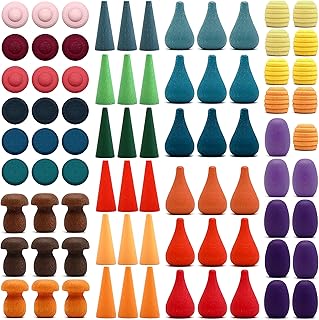
Instead of toys with a single purpose, offer materials that can be used in multiple ways. These “loose parts” spark creativity and give children the freedom to invent their own games and projects. Examples include:
- Wooden blocks, fabric scraps, shells, pinecones, cardboard tubes.
- Art supplies like clay, watercolors, pastels, and collage materials.
- Recycled items that can be repurposed into something new.
3. Incorporate Nature
Nature is central to Reggio learning, inspiring curiosity and grounding children in the world around them. Bring natural elements into your home to enrich sensory experiences and spark conversations.
- Keep potted plants or a small indoor garden.
- Display seasonal collections like autumn leaves, seashells, or stones.
- Use wood, glass, and woven baskets for storage to create a warm, organic feel.
4. Create Spaces for Self-Expression
In the Reggio philosophy, children communicate through the “hundred languages”—art, storytelling, building, music, movement, and more. Designate areas where your child can freely create and express ideas.
- A small art studio corner stocked with materials.
- A music area with simple instruments.
- A building space with blocks, magnetic tiles, or other construction materials.
5. Follow Your Child’s Interests
Pay attention to what fascinates your child, and let it shape your home learning environment. If they’re interested in insects, set up a magnifying glass, insect books, and drawing supplies. If they’re drawn to water play, create a sensory bin with scoops, cups, and floating objects.
6. Make Learning Visible
Document your child’s creations and discoveries—photographs, drawings, written observations—and display them at their eye level. This helps children reflect on their work, revisit ideas, and feel pride in their efforts.
7. Encourage Collaboration
Create opportunities for siblings, friends, or even parents to join in play and projects. Working together builds communication skills, empathy, and problem-solving abilities.
Final Thoughts
A Reggio-inspired home is not about having the perfect furniture or expensive materials—it’s about cultivating a mindset of curiosity, creativity, and respect for the child as an active learner. By making thoughtful choices about the spaces, materials, and experiences you offer, you transform your home into a place where exploration and independent thinking are part of everyday life.