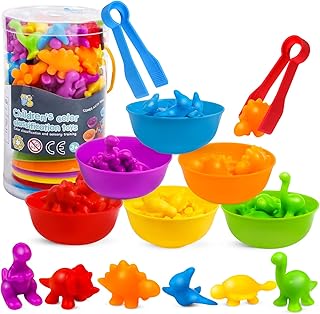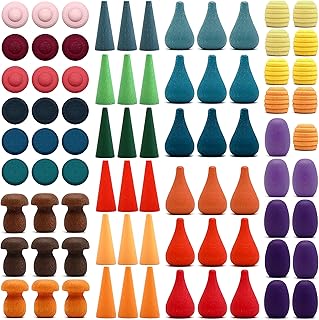

Creating a Reggio Emilia preschool classroom that fosters creativity, critical thinking, and hands-on learning requires selecting the right materials. The Reggio Emilia activity kit is built on the philosophy that children are active participants in their learning journey, and that the environment plays a significant role in their development.
In this blog, we’ll explore 5 must-have materials that will help educators build an inspiring and engaging space for children to learn and grow.
1. Open-Ended Art Materials
Art supplies are one of the most crucial components of the Reggio Emilia approach preschool. Children express themselves through art, and open-ended materials allow them to explore their ideas without limits. Providing natural materials like clay, crayons, markers, and paper encourages creative exploration. These materials also support fine motor development and problem-solving as children learn to manipulate shapes, colors, and textures.
How It Supports the Curriculum: Art fosters self-expression, and the process of creating supports critical thinking and independence, key aspects of the Reggio Emilia teaching approach.
2. Sensory Materials for Exploration
In a Reggio Emilia preschool classroom, sensory play is essential. Materials like sand, water tables, texture boards, and sensory bins allow children to engage with their environment, stimulating their senses and encouraging exploration. Sensory play builds cognitive and physical skills, and it promotes problem-solving as children manipulate the materials to explore cause and effect.
How It Supports the Curriculum: Sensory activities help children develop curiosity and fine motor skills. They also foster creativity as children experiment with new materials and interactions.
3. Reggio Emilia-Inspired Building Materials
Building materials like wooden blocks, puzzle pieces, and construction toys are key to encouraging problem-solving and collaborative play in a Reggio Emilia approach preschool. These materials allow children to explore geometry, balance, and engineering concepts in a hands-on way. They can build structures, create shapes, and engage in imaginative play, all while developing critical thinking skills.
How It Supports the Curriculum: These materials support spatial reasoning and collaborative learning, fostering teamwork and communication skills. Children engage in constructivist learning, which is at the heart of the Reggio Emilia curriculum.
4. Natural Materials for Connection with Nature
The Reggio Emilia curriculum emphasizes connection with nature. Incorporating natural materials like rocks, leaves, wooden logs, and flower petals helps children explore the world around them in a tactile and immersive way. These materials can be used for art, science experiments, and construction projects, allowing children to see the beauty in natural objects and learn about sustainability.
How It Supports the Curriculum: Working with natural materials encourages sensory exploration, scientific inquiry, and an understanding of the environment, all of which enhance early childhood education in New York.
5. Documentation Tools for Reflection
One of the unique aspects of the Reggio Emilia approach is the practice of documentation. Teachers use tools like cameras, notebooks, and audio recorders to document children’s learning processes. Documentation allows both teachers and children to reflect on the work, promoting self-awareness, critical thinking, and goal setting.
How It Supports the Curriculum: Documentation tools help children recognize their progress and development, and they also serve as valuable records for future learning opportunities. This encourages metacognition, a vital skill for young learners.
Conclusion
A Reggio Emilia preschool classroom is not complete without the right materials that foster a hands-on, child-centered approach to learning. From open-ended art supplies to sensory exploration tools, each material has a purpose that promotes creativity, critical thinking, and problem-solving. When selecting materials for your Reggio Emilia curriculum, focus on those that encourage interaction, exploration, and expression. By providing the right tools, you create an environment that supports the holistic development of children, helping them grow into confident, creative, and independent learners.
FAQs:
- What materials are essential in a Reggio Emilia preschool classroom?
Essential materials include art supplies, sensory play tools, building blocks, natural materials, and documentation tools to support creativity and problem-solving. - How do natural materials fit into the Reggio Emilia approach?
Natural materials like rocks, leaves, and wooden logs help children connect with the natural world, promoting sensory exploration, environmental awareness, and scientific inquiry. - How does documentation help in the Reggio Emilia approach?
Documentation tools like cameras and notebooks allow teachers and children to reflect on their learning, helping to track progress and promote metacognition. - Why is play-based learning important in the Reggio Emilia curriculum?
Play-based learning allows children to explore their ideas and develop cognitive and social skills through creative, hands-on activities, which is at the heart of the Reggio Emilia approach. - Can these materials be used at home for early childhood education?
Yes, many of these materials, such as building blocks, art supplies, and sensory toys, can be used at home to enhance play-based learning and encourage exploration.