
The Reggio Emilia approach to preschool is a globally respected early childhood education method that emphasizes creativity, collaboration, and child-led exploration. Rooted in the principles of Italian educator Loris Malaguzzi, the Reggio Emilia philosophy views children as competent, capable, and curious learners.
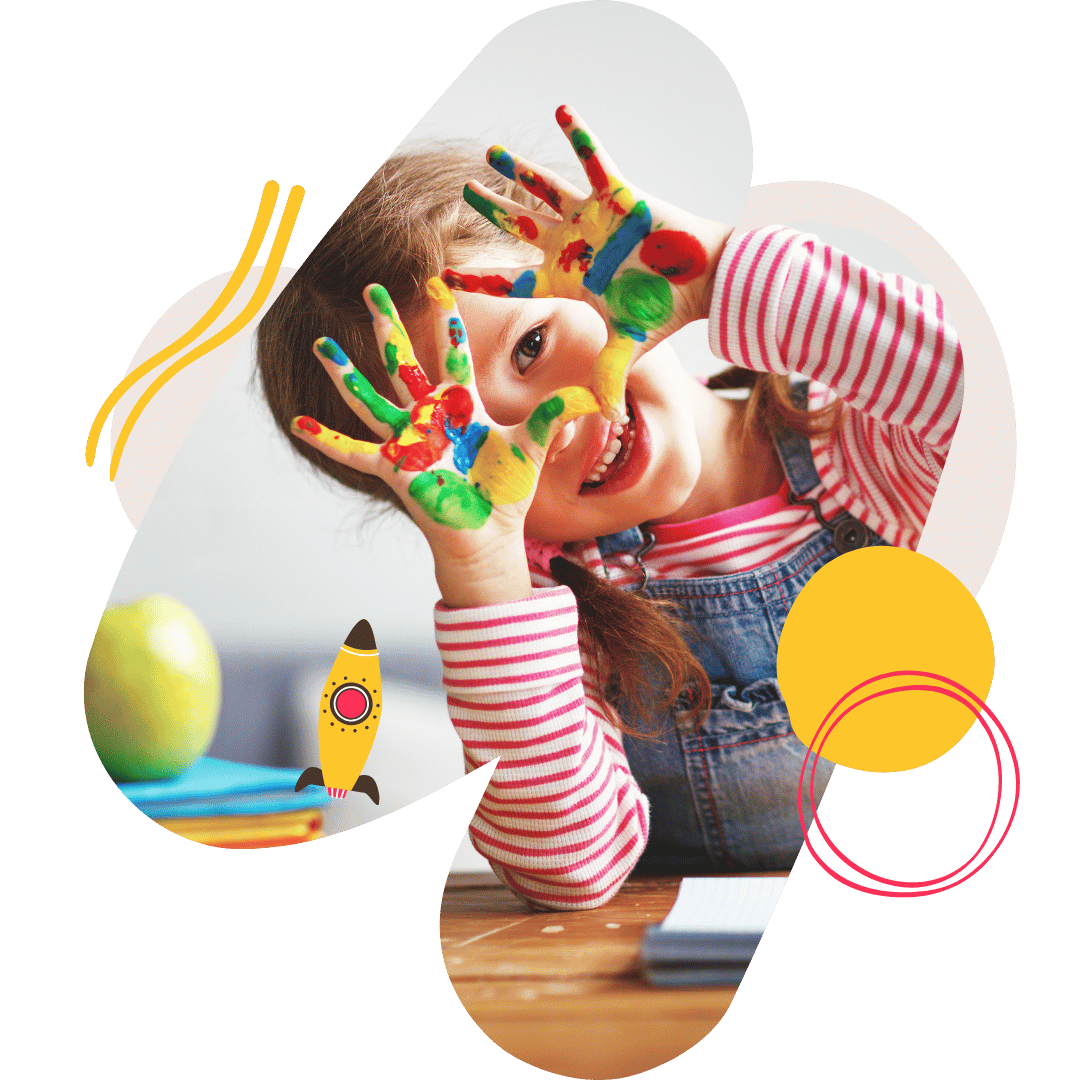
The Reggio-Inspired Classroom Design
Our classrooms are designed with children in mind:
Understanding the Reggio Emilia Approach
The Reggio Emilia philosophy is child-centered and experience-based. Rather than a rigid curriculum, it relies on observation, exploration, and the natural curiosity of the child.
Age Groups We Serve — All Early Learning Ages
Our programs accommodate children from birth to pre-kindergarten, ensuring age-appropriate learning experiences.
Our Reggio Curriculum Preschool program is designed to be flexible, child-led, and project-based. It encompasses five major domains:
Outdoor Learning and Nature-Based Play
Outdoor learning is an integral part of the Reggio approach:
Benefits:
Parental Engagement and Family Involvement
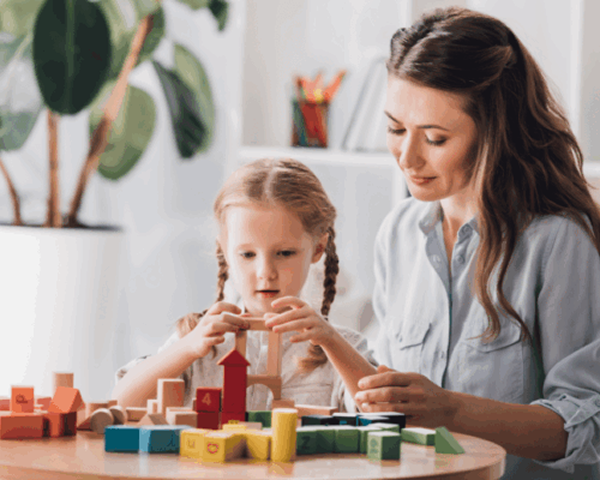
Family involvement is central to the Reggio Emilia philosophy:
Engaged parents strengthen children’s development and help maintain consistent learning experiences.
Benefits of Reggio Emilia Early Childhood Programs
Transition to Elementary School
Our pre-K program prepares children to confidently transition into elementary school:

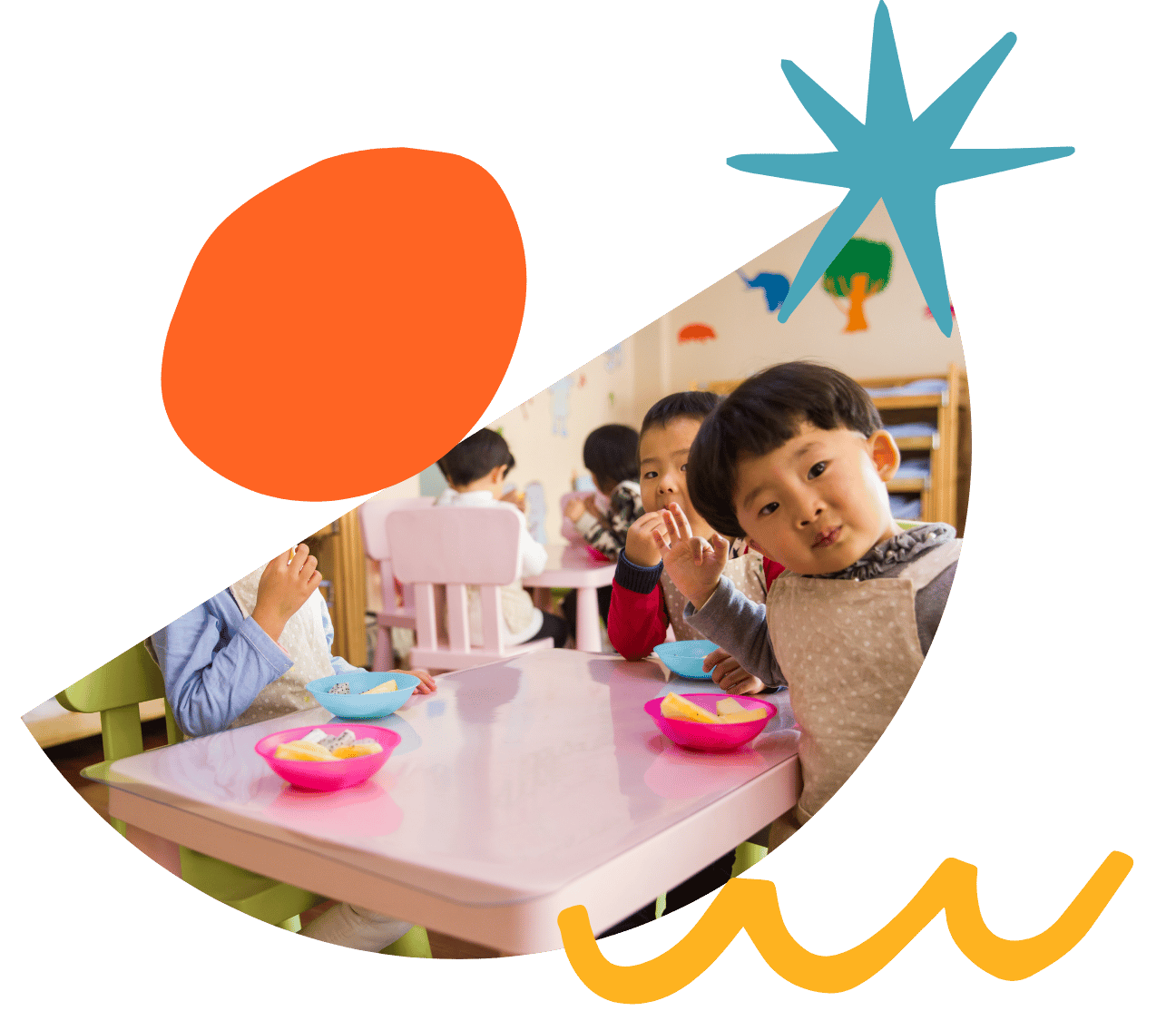
STEM is integrated through hands-on, project-driven learning:
Children learn to hypothesize, test, analyze, and present findings, fostering curiosity and analytical thinking.
Locations We Serve

A child-centered, inquiry-based approach emphasizing collaboration, creativity, and exploration.
Infants, toddlers, preschool, and pre-K (birth to 6 years).
It is project-based, child-led, and emphasizes documentation and collaboration, rather than a rigid curriculum.
We follow Reggio principles faithfully and employ trained educators experienced in early childhood development.
Through hands-on materials, projects, observation, and integration with real-life experiences.
Teachers act as guides, facilitators, and observers, supporting child-led learning without direct instruction.
Through workshops, documentation, volunteering, and regular communication.
Yes, artistic expression is considered a core language of learning in the Reggio approach.
Daily, with nature-based exploration, gardening, and physical activity integrated into projects.
Through collaborative projects, peer mentoring, conflict resolution, and role-playing.
Yes, integrated into projects and exploration using inquiry-based approaches.
Yes, it supports diverse learning styles and abilities by focusing on individual strengths and interests.
By developing cognitive, social-emotional, and practical skills through project-based learning.
Copyright 2026 Reggio Emilia Early Learning Curriculums Privacy Policy