
The Reggio Emilia approach is often associated with beautifully designed classrooms, open-ended materials, and project-based learning—but its principles can be just as powerful at home. At its heart, this philosophy sees children as capable, curious, and active participants in their own learning. By creating an intentional home environment, parents can nurture a love of exploration, foster creativity, and encourage independent thinking every single day.
Why Bring Reggio Emilia into Your Home?
Children spend a significant amount of their early years outside of formal school settings, and the home is their first learning environment. By making small, thoughtful changes to your space and interactions, you can:
- Support your child’s natural curiosity.
- Encourage self-motivation and problem-solving skills.
- Build stronger family connections through shared projects and discussions.
- Create a space that reflects and respects your child’s individuality.
How to Create a Reggio-Inspired Home Environment
- Design Learning-Rich Spaces
Instead of filling rooms with traditional toys alone, create areas where children can explore, imagine, and create. This might include a low art table with supplies, a reading corner with cozy seating, or a discovery table for nature collections. Arrange materials so they’re accessible and encourage children to choose their own activities. - Offer Open-Ended Materials
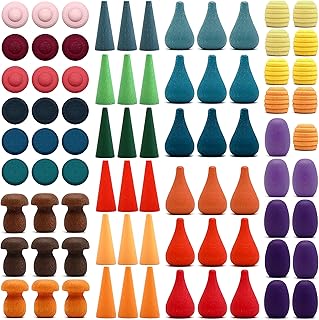
The Reggio approach values loose parts—items that can be used in endless ways. At home, this could be a basket of pinecones, smooth stones, fabric scraps, cardboard tubes, or recycled boxes. These materials inspire imagination, storytelling, and problem-solving, and they adapt to whatever your child is interested in at the moment. - Make Learning Visible
Display your child’s artwork, projects, and photographs around the home. This shows them their ideas have value and encourages further reflection. You might create a family “learning wall” where you post ongoing projects, questions, or discoveries. - Bring Nature Indoors
Nature is a cornerstone of Reggio learning. Keep plants in your home, display seashells or flowers, or use natural materials in play and art. Observing these items together sparks conversations about science, beauty, and the world around them. - Encourage Collaboration
If you have more than one child, set up shared spaces where they can work together on building, art, or pretend play. If not, invite friends, neighbors, or family to join in projects, helping your child learn teamwork, patience, and cooperation. - Follow Their Lead
Pay close attention to what captures your child’s interest—a book about insects, a fascination with building towers, a love for water play. Use these cues to guide home projects and activities. This could be as simple as reading more about a topic together, creating related art, or visiting a place connected to their interest.
Practical Examples of Reggio at Home
- Nature Journals – Go for walks, collect leaves or flowers, and document them with sketches or photos.
- Kitchen Science – Bake together, measure ingredients, and discuss changes in texture, color, or smell.
- Story Corners – Let your child retell favorite stories using puppets, costumes, or drawings.
- Mini-Museums – Display collected treasures—stones, bottle caps, postcards—and talk about their origins.
- Family Projects – Build a bird feeder, design a play space, or plant a small garden together.
Final Thoughts
The Reggio Emilia approach at home isn’t about replicating a classroom—it’s about embracing a mindset. By seeing your child as a competent co-creator of knowledge, you create an environment where their ideas flourish and learning is meaningful. Small changes in how you set up spaces, choose materials, and engage in conversations can transform your home into a place where curiosity and creativity are part of everyday life.