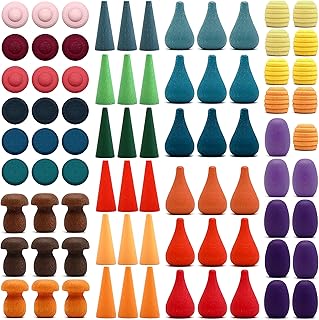

Choosing the right preschool curriculum can feel overwhelming. Every parent wants an environment where their child feels safe, inspired, and excited to learn. The early years shape confidence, communication skills, creativity, and problem-solving abilities. If you are exploring a reggio emilia approach preschool, researching Reggio Emilia early childhood programs, comparing a reggio curriculum preschool, searching for Reggio Emilia schools near me, or considering a Reggio-inspired preschool, understanding the philosophy can help you decide wisely.
Why Choose a Reggio Emilia Approach Preschool?
A reggio emilia approach preschool focuses on child-led learning. Children are encouraged to explore their interests through hands-on activities and collaborative projects. In a reggio emilia approach preschool, teachers act as guides rather than lecturers. They observe, listen, and design activities based on children’s curiosity. The environment in a reggio emilia approach preschool is calm, organized, and filled with natural materials. It inspires creativity and independent thinking. Parents often notice that children in a reggio emilia approach preschool develop strong communication skills and confidence.
Key Benefits of a Reggio Emilia Approach Preschool:
- Encourages creativity and imagination
- Promotes teamwork and collaboration
- Supports independent thinking
- Builds strong communication skills
- Respects each child’s unique learning pace
Understanding Reggio Emilia Early Childhood Education
Reggio Emilia early childhood education supports the whole child. It focuses on emotional, social, and cognitive growth together.In reggio emilia early childhood classrooms, learning happens through relationships. Children work in groups, share ideas, and solve problems together.Project-based learning is central to reggio emilia early childhood programs. Instead of short lessons, children explore topics deeply over time.Teachers document progress in reggio emilia early childhood settings. Photos, notes, and displays make learning visible to families. Families play an active role in reggio emilia early childhood education. Parents are partners in the learning journey.
Exploring the Reggio Curriculum Preschool Model
A reggio curriculum preschool is flexible and responsive. It does not rely on rigid lesson plans.In a reggio curriculum preschool, children’s interests guide the direction of learning. Teachers build projects around real questions children ask. The “hundred languages” concept is important in a reggio curriculum preschool. Children express ideas through art, music, storytelling, movement, and more. A reggio curriculum preschool values creativity as much as academics. This balance builds strong thinking skills.Parents who choose a reggio curriculum preschool appreciate its focus on exploration and independence.
How to Find the Best Reggio Emilia Schools Near Me
Searching for reggio emilia schools near me requires careful research. Not every school fully follows the philosophy. When visiting reggio emilia schools near me, observe the classroom environment. Look for natural light, organized materials, and children’s project displays.Ask teachers at reggio emilia schools near me how they plan lessons. Their answers should reflect child-led exploration. Strong communication is another sign of quality reggio emilia schools near me. Families should feel welcomed and involved.
What to Look for in Reggio Emilia Schools Near Me:
- Child-centered classrooms
- Evidence of project-based learning
- Trained and experienced teachers
- Clear documentation of children’s progress
- Strong parent-school partnerships
Is a Reggio-Inspired Preschool the Right Fit?
A reggio-inspired preschool follows the main principles of the original philosophy while adapting to local needs. In a reggio-inspired preschool, children are encouraged to ask questions and explore solutions. Learning feels natural and meaningful. Teachers in a reggio-inspired preschool guide discussions and support collaboration. They focus on nurturing curiosity. Classrooms in a reggio-inspired preschool often include art spaces, open-ended materials, and creative displays. Many families choose a reggio-inspired preschool because it balances structure with freedom.
Key Takeaways for Choosing a Curriculum
To help you summarize what we have discussed, here are the vital points to remember when evaluating a preschool curriculum for your child:
- Child-Led Learning: Look for a program where the child’s interests drive the topics of study, ensuring high engagement and curiosity.
- The Environment: Ensure the school treats the physical space as a “third teacher” with natural materials and intentional design.
- Documentation: A good curriculum makes learning visible through photos, notes, and displays of the children’s thought processes.
- Collaboration: Prioritize schools that encourage group projects and social-emotional development over individual rote learning.
- Respect for the Child: Choose a philosophy that views children as capable protagonists of their own education.
Conclusion
Choosing the best curriculum for your child is a journey of discovery for the whole family. It is about finding a place where your child’s unique “voice” is heard and where their natural curiosity is treated as a precious resource. The Reggio Emilia approach offers a beautiful, proven framework that prepares children for the future by honoring their present. By focusing on creativity, collaboration, and the power of the environment, you can ensure your child develops a foundation that is both academically strong and emotionally resonant.
Frequently Asked Questions
- What is the difference between Montessori and Reggio Emilia?
While both are child-centered, Montessori focuses on individual work with specific “self-correcting” materials, whereas Reggio Emilia emphasizes social collaboration, group projects, and the use of open-ended art materials. - Is a Reggio curriculum academic enough for kindergarten prep?
Absolutely. While it looks like play, children are engaging in complex math, literacy, and science through their projects. They often enter kindergarten with superior problem-solving and social skills compared to peers in traditional settings. - Why is the environment called the “third teacher”?
In this philosophy, the classroom is designed to be so engaging and organized that it “teaches” the child by inviting them to explore, discover, and interact without constant adult direction. - How do teachers track progress without tests?
Teachers use extensive documentation, including portfolios of work, anecdotal notes, and photographic evidence, to track and communicate a child’s developmental milestones and cognitive growth. - Can the Reggio approach work for children with different learning styles?
Yes. Because the “Hundred Languages” concept encourages children to express themselves through many different media, it is highly inclusive for visual, kinesthetic, and auditory learners. - Is Reggio Emilia only for preschool-aged children?
While most famous for early childhood, the principles of project-based learning and child-led inquiry are increasingly being adapted for primary and even middle school education. - How can I implement Reggio principles at home?
You can start by providing open-ended materials (loose parts), setting up a dedicated “maker space” for art, and following your child’s lead when they show interest in a specific topic like space, bugs, or building.