Complete Guide to Reggio Emilia Early Childhood Education

The Reggio Emilia approach to preschool is a globally respected early childhood education method that emphasizes creativity, collaboration, and child-led exploration. Rooted in the principles of Italian educator Loris Malaguzzi, the Reggio Emilia philosophy views children as competent, capable, and curious learners.
At our center, we integrate Reggio-inspired preschool practices into a supportive, sensory-rich environment, encouraging children to explore, ask questions, and develop independence. Families searching for Reggio Emilia Schools in the USA, Reggio Curriculum Preschool, or Reggio Emilia Early Childhood programs can trust our approach to nurture intellectual, social, emotional, and physical development in children from infancy through pre-kindergarten.

This comprehensive guide explains everything parents need to know about the Reggio Emilia approach, our programs, curriculum, classroom design, benefits, and how it supports the development of the whole child.

The Reggio-Inspired Classroom Design

Our classrooms are designed with children in mind:

  • Natural lighting and aesthetically pleasing spaces
  • Open shelves with accessible, hands-on materials
  • Flexible workspaces for collaboration and quiet focus
  • Documentation panels showing children’s projects and thought processes
  • Rotating materials and provocations to spark curiosity

Understanding the Reggio Emilia Approach

The Reggio Emilia philosophy is child-centered and experience-based. Rather than a rigid curriculum, it relies on observation, exploration, and the natural curiosity of the child.

Core principles include

  • Children as capable and active participants in learning
  • Learning through collaboration and social interaction
  • Project-based and inquiry-driven activities
  • The environment is a “third teacher.”
  • Documentation of learning to guide teaching
  • Family engagement as essential partners

The Reggio approach celebrates each child’s voice, creativity, and problem-solving abilities, fostering lifelong learners.

Children as Competent Learners

Children are seen as capable, curious, and full of potential. Educators act as facilitators, supporting children in expressing ideas, exploring questions, and creating solutions.

Benefits of this perspective:

  • Builds self-confidence
  • Encourages critical thinking
  • Promotes independence and agency
  • Fosters problem-solving skills

Collaboration and Communication

Collaboration is central in a Reggio-inspired preschool. Children work in small groups, co-constructing knowledge and learning through discussion and shared exploration.

This develops:

  • Social skills and empathy
  • Communication and negotiation abilities
  • Teamwork and leadership
  • Respect for others’ ideas

Environment as the Third Teacher

The classroom environment is intentionally designed to inspire learning. Open spaces, natural lighting, and thoughtfully arranged materials guide children toward exploration and creativity.

Key features include:

  • Child-sized furniture and accessible materials
  • Natural materials for sensory exploration
  • Art, science, and discovery centers
  • Rotating provocations and project displays
  • Quiet and collaborative learning areas

The environment communicates value and fosters curiosity, autonomy, and concentration.

Age Groups We Serve — All Early Learning Ages

Our programs accommodate children from birth to pre-kindergarten, ensuring age-appropriate learning experiences.

Infant Program (0–12 Months)

Our Reggio-inspired infant program provides:

  • Sensory-rich environments with natural textures and sounds
  • Floor exploration and safe movement spaces
  • Language-rich interactions
  • Emotional security and bonding
  • Early motor and cognitive development

Toddler Program (1–3 Years)

Toddlers develop independence, curiosity, and early social skills.

  • Practical life skills: dressing, feeding, toileting
  • Fine and gross motor development
  • Early language and vocabulary growth
  • Sensory and exploratory activities
  • Social interaction and cooperative play

Preschool / Early Childhood Program

Preschool children engage in project-based, inquiry-driven learning:

  • Multi-age classroom collaboration
  • Hands-on projects in science, math, art, and literacy
  • Opportunities for leadership and responsibility
  • Long work cycles to enhance focus and concentration
  • Expressive arts integrated with thematic projects

Pre-Kindergarten Preparation (5–6 Years)

The pre-kindergarten program prepares children for elementary school by emphasizing:

  • Early literacy and math mastery
  • Social-emotional development and leadership
  • Collaboration and independent thinking
  • Exposure to STEM and arts integration
  • Confidence, autonomy, and problem-solving

Our Reggio Emilia Curriculum

Our Reggio Curriculum Preschool program is designed to be flexible, child-led, and project-based. It encompasses five major domains:

Language and Literacy

Children develop communication skills through:

  • Storytelling and group discussions
  • Emergent writing and early composition
  • Reading aloud and phonemic awareness
  • Project documentation to express ideas visually and verbally

Benefits:

  • Strong oral and written language
  • Enhanced comprehension and listening skills
  • Confidence in expressing thoughts

Mathematics and Problem Solving

Mathematical thinking is introduced through real-life exploration:

  • Counting, sorting, and pattern recognition
  • Measurement and comparison activities
  • Problem-solving projects in building and construction
  • Early geometry concepts through manipulatives and art

Benefits:

  • Logical thinking
  • Numeracy foundation
  • Independent reasoning skills

Science and Inquiry

Science is taught through exploration, observation, and experimentation:

  • Nature walks and environmental observation
  • Plant and animal studies
  • Simple chemistry and physics experiments
  • Weather, seasons, and ecological awareness

Benefits:

  • Curiosity and observation skills
  • Analytical thinking
  • Connection to the natural world

Arts and Creative Expression

The Reggio approach emphasizes creativity as a language of thought:

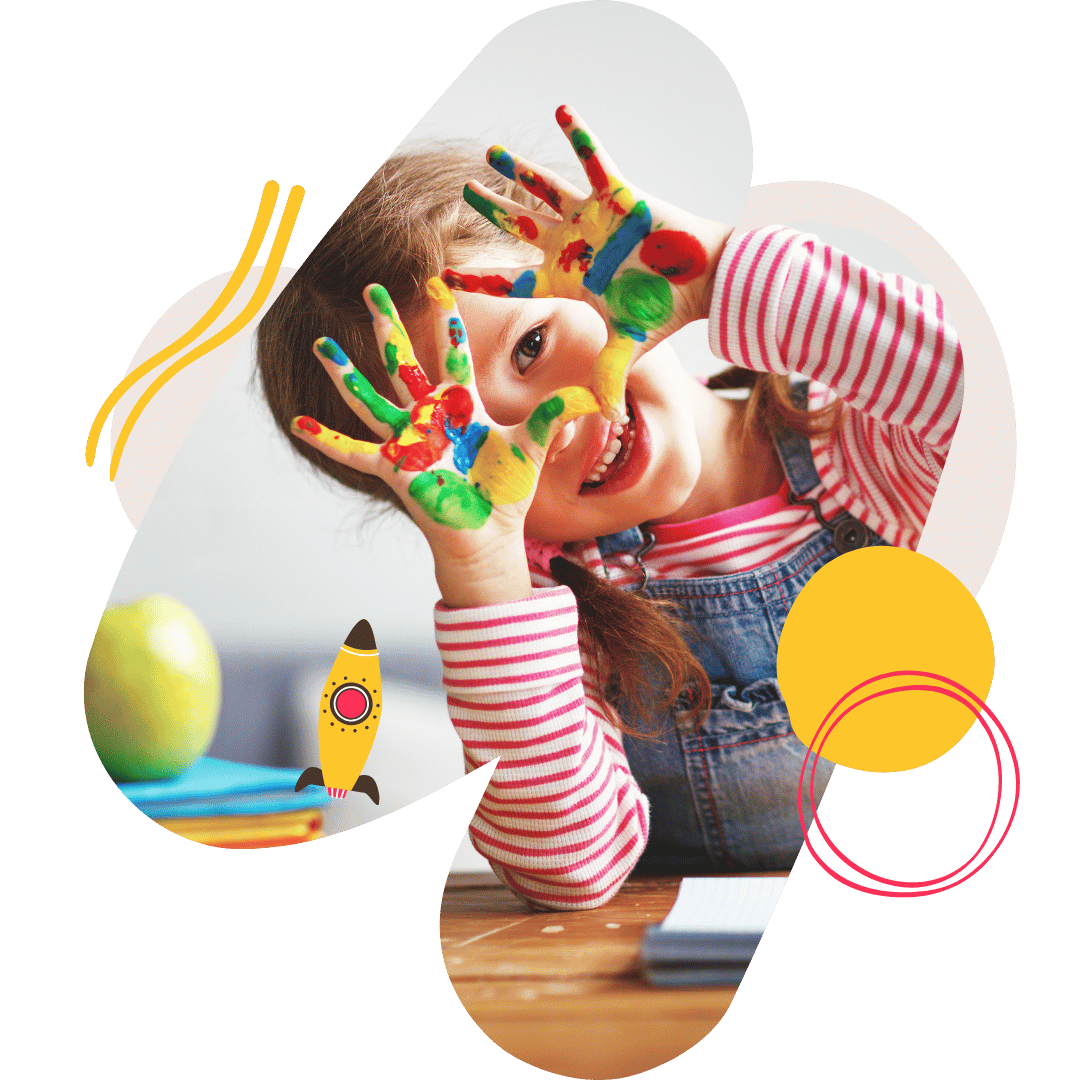
  • Painting, drawing, and sculpture
  • Dramatic play and role-playing
  • Music and movement integration
  • Collaborative art projects documenting learning

Benefits:

  • Self-expression and imagination
  • Emotional development
  • Creative problem-solving

Social-Emotional Learning

Social-emotional growth is embedded in daily life:

  • Peer collaboration and conflict resolution
  • Empathy and understanding others’ perspectives
  • Decision-making and self-regulation
  • Leadership and responsibility within projects

Benefits:

  • Emotional intelligence
  • Resilience and confidence
  • Positive peer relationships

Outdoor Learning and Nature-Based Play

Outdoor learning is an integral part of the Reggio approach:

  • Gardens, sensory play areas, and natural exploration
  • Gross motor skill development
  • Inquiry-based projects using natural materials
  • Art and STEM activities outdoors
  • Reflection and mindfulness in nature

Benefits:

  • Physical development
  • Environmental awareness
  • Creativity and problem-solving
  • Connection to nature and well-being
Parental Engagement and Family

Parental Engagement and Family Involvement

Family involvement is central to the Reggio Emilia philosophy:

  • Parent workshops and conferences
  • Documentation of learning shared with families
  • Volunteer opportunities in classrooms and projects
  • Guidance for supporting learning at home

Engaged parents strengthen children’s development and help maintain consistent learning experiences.

Benefits of Reggio Emilia Early Childhood Programs

Cognitive Benefits

  • Enhanced problem-solving and critical thinking
  • Creativity and innovation
  • Early literacy and numeracy skills

Social Benefits

  • Enhanced problem-solving and critical thinking
  • Creativity and innovation
  • Early literacy and numeracy skills

Emotional Benefits

  • Self-confidence and autonomy
  • Emotional regulation
  • Resilience and adaptability

Physical Benefits

  • Fine and gross motor skill development
  • Coordination and spatial awareness
  • Practical life skills

Transition to Elementary School

Our pre-K program prepares children to confidently transition into elementary school:
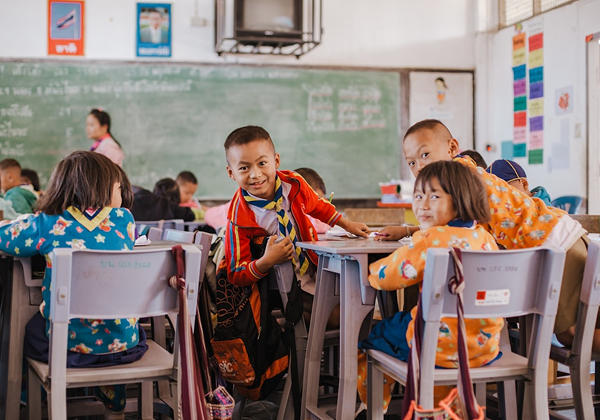
  • Academic readiness in literacy and math
  • Social-emotional skills to navigate classroom environments
  • Leadership, independence, and collaboration
  • Familiarity with project-based and inquiry-driven learning
Transition to Elementary School

STEM & Inquiry-Based Learning

STEM is integrated through hands-on, project-driven learning:

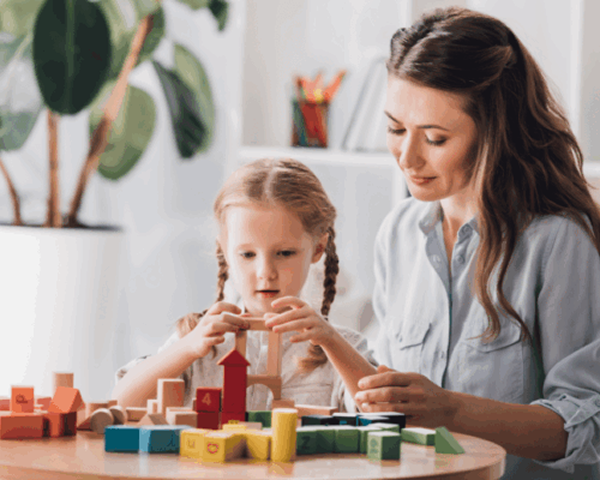
  • Engineering: building structures with blocks and natural materials
  • Math: measurement, counting, patterns
  • Science: experiments and observations
  • Technology: age-appropriate exposure and exploration

Children learn to hypothesize, test, analyze, and present findings, fostering curiosity and analytical thinking.

Locations We Serve

Frequently Asked Questions

What is the Reggio Emilia approach to preschool?

A child-centered, inquiry-based approach emphasizing collaboration, creativity, and exploration.

Who developed the Reggio Emilia philosophy?

Italian educator Loris Malaguzzi founded it in post-WWII Italy.

What ages are served?

Infants, toddlers, preschool, and pre-K (birth to 6 years).

How does Reggio-inspired preschool differ from traditional preschool?

It is project-based, child-led, and emphasizes documentation and collaboration, rather than a rigid curriculum.

Are Reggio Emilia Schools near me certified or accredited?

We follow Reggio principles faithfully and employ trained educators experienced in early childhood development.

How do children learn math and literacy?

Through hands-on materials, projects, observation, and integration with real-life experiences.

What is the role of the teacher?

Teachers act as guides, facilitators, and observers, supporting child-led learning without direct instruction.

How are families involved?

Through workshops, documentation, volunteering, and regular communication.

Is creativity emphasized?

Yes, artistic expression is considered a core language of learning in the Reggio approach.

How is outdoor play incorporated?

Daily, with nature-based exploration, gardening, and physical activity integrated into projects.

How do children develop social skills?

Through collaborative projects, peer mentoring, conflict resolution, and role-playing.

Are STEM skills included?

Yes, integrated into projects and exploration using inquiry-based approaches.

Is this approach suitable for all children?

Yes, it supports diverse learning styles and abilities by focusing on individual strengths and interests.

How do you prepare children for elementary school?

By developing cognitive, social-emotional, and practical skills through project-based learning.